509
2 TopicsVisual Echoes: Guiding Attention, Conveying Emotion
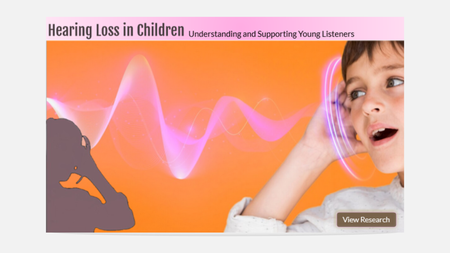
Thanks for this interesting challenge about the image echo effect. The slide I’m sharing here is about hearing loss in children. Instead of using a faded image as an echo, I chose a silhouette—it fit better with the bright colors and added a subtle layer of meaning. I was surprised how effective this echo technique was in communicating the core message. So I did some digging and found that visual echoes work because they draw on cognitive principles like figure-ground perception, visual salience, and even metaphor. A transparent or reduced echo doesn’t just duplicate the image—it regulates how we perceive the main subject, guiding focus and emotion. This makes it more than a design trick—it’s a communication tool. Enjoy! Hearing Loss in ChildrenCover Slide Using Transparent Gradient
I’ve been working on subtle layout techniques that help e-learning look more polished and intentional. This cover slide uses a transparent gradient to blend a confident, modern image into a soft gray background. I added simple black text, a matching button, and a light shadow to enhance clarity while keeping the design clean and professional. Feedback is welcome!