mobile
23 TopicsSnapshot graphics + click-and-reveal = engaging cybersecurity learning
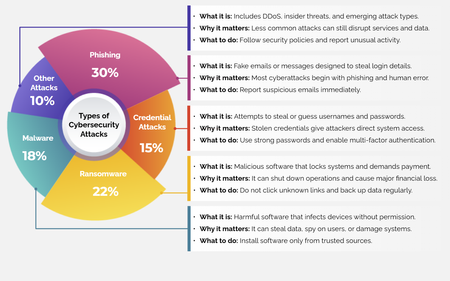
For this week’s challenge, we used snapshot graphics and a click-and-reveal interaction to help learners quickly recognize common cyber attacks—without overwhelming them. View the activity using the link below. https://www.swiftelearningservices.com/custom-elearning-snapshot-graphics-click-reveal-cyber-security-attacks/247Views2likes0CommentsTip of the Iceberg
Happy New Year! When I take part in a Challenge, I'm often asked, "How long did it take you to build that demo, Jon?" The answer can vary, depending on whether I'm experimenting with a new feature, revisiting an earlier concept, or building something completely new. What you see is just "the tip of the iceberg". The next question is: "Is the juice worth the squeeze?" Maybe. Maybe not. Depends on the project, your audience, and the subject matter. Remember, interaction doesn't always aid knowledge transfer. But by regularly practicing with your tools, you can bring your development time down, and make interactions like this one more viable on a real project. Click below to test the demo for yourself, and let me know what you think. https://bit.ly/elhc536 385Views3likes2Comments
Spookily Accruate
Hello! For this challenge, I reused a character I created way back in 2020, for Challenge #292 (Using Variables). In case you wondered, Zardoz is a cross between Sean Connery and the Zoltan machine from Big. I've upgraded Zardoz with a few tricks I've learned in the meantime, including live polling, a speech animation cycle, and some sneaky Javascript. If Zardoz doesn't successfully read your mind, he can still surprise you with what he does know about you. Does Zardoz know what you're thinking? TRY IT OUT HERE
Can We Be Friends?
Hello! Everyone hates icebreakers, right? With that in mind, I've created this mobile-optimized Storyline interaction to help you make new friends. Are we cool? There are 30 different feedback options, which are selected at random by Javascript. If you have any other questions, please ask. We're all friends here!
Storyline 360: Publishing a Course for Mobile Devices
Storyline 360 makes it easy to deliver courses to learners with tablets and smartphones. Here are answers to common questions about publishing mobile-ready courses. How do I publish courses for mobile devices? How do learners view courses on tablets and smartphones? Are published courses responsive? Do they adapt to different screen sizes? Can courses be viewed on iPads? Can courses be viewed on iPhones? Can courses be viewed on Android devices? How do I track learners' progress when they view content on mobile devices? How do I publish courses for mobile devices? It's easy! Since Adobe discontinued Flash, simply publish your course for web or LMS/LRS. You don't have to do any extra work. You'll get HTML5-only output that works beautifully in all major browsers on desktop and mobile devices. How do learners view courses on tablets and smartphones? Give learners a link to your published course, as described in the following table. When learners click the link, the HTML5 output will launch in their default web browser. If you publish for... Then do this... Review 360 Open your web browser to your Review 360 home page and click your course to open it. Click Share in the upper right corner. If you want to password-protect your course, mark the box to Set a password and enter a password in the field provided. Copy the shareable link, then send it to your viewers. Be sure to give them the password, too, if you added one. Web Upload your published course to a web server, then send learners a link to the story.html file. LMS/LRS Upload your published course to your LMS/LRS. Each LMS/LRS uses a different process for this. Contact your LMS/LRS administrator if you need help uploading, launching, or tracking content. Are published courses responsive? Do they adapt to different screen sizes? HTML5 courses published with Storyline 360 use the responsive mobile player when viewed on tablets and smartphones. The responsive player dynamically adapts to different tablets and smartphones, providing an optimized view of your course on every device—no extra work required. It fluidly responds to different mobile screen sizes and orientations, hiding sidebar menus till you need them, eliminating browser chrome, and delivering mobile-friendly playback controls. The responsive player moves out of the way to maximize the screen real estate for your slide content. Your content will maintain its aspect ratio, but it’ll scale to fill as much of the screen as possible on tablets and smartphones. Visit these responsive mobile player FAQs for details. Can courses be viewed on iPads? Yes. When learners launch your course, it’ll automatically open in their default browser. Can courses be viewed on iPhones? Yes. When learners launch your course, it’ll automatically open in their default browser. Can courses be viewed on Android devices? Yes. When learners launch your course, it’ll automatically open in their default browser. How do I track learners' progress when they view content on mobile devices? Publish your course for LMS/LRS. Storyline 360 supports AICC, SCORM, xAPI (Tin Can API), and cmi5 output. Then follow the steps for your LMS/LRS to upload the published output and enroll learners. When learners launch the course, it'll automatically open in their default web browser. The HTML5 output works beautifully in all major browsers on desktop and mobile devices.1.8KViews0likes0CommentsEverything You Need to Know About Creating Mobile Learning with Articulate 360
Articulate 360 has everything an e-learning professional needs to quickly and easily develop courses for desktop computers, tablets, and smartphones. It includes industry-leading mobile technology that frees course developers from endlessly tweaking their courses for every device a learner might use. Let’s take a closer look at Articulate 360's technology—and how it makes developing mobile learning so much easier. Publish Storyline 360 and Studio 360 Courses to a Responsive Player Articulate 360 includes our award-winning authoring apps Storyline 360 and Studio 360. Create any interactive e-learning imaginable with Storyline 360. And Studio 360 makes it easy to transform PowerPoint presentations into engaging e-learning. Both of these apps use our responsive mobile course player, which adapts course content for any device. Here’s how it works: When a learner opens a Storyline 360 or Studio 360 course on their mobile device, the responsive player automatically adapts to make the most of the screen real estate while preserving course content. There’s no need for e-learning developers to tweak courses for different devices or aspect ratios. They simply publish content and the technology does the rest. See the player in action in this video. To provide a seamless experience for learners on the go, our responsive mobile player automatically provides intuitive mobile navigation and supports mobile gestures such as swipe and pinch-to-zoom. Explore this example on your mobile device to see what we mean! Create Truly Responsive E-Learning with Rise 360 In addition to the responsive player in Storyline 360 and Studio 360, Articulate 360 includes Rise 360—a web-based app that was built with mobile in mind. Rise 360 lets course creators build inherently responsive e-learning right in their web browser. They can kickstart course creation by customizing a pre-built course template or create a completely custom course by adding lessons and blocks. Because it’s Rise, all course content adapts beautifully to any device. Take a look at this example on your mobile device to see what we mean. You’ll notice how course content reflows and looks great no matter the device size or orientation (try looking at the example in both portrait and landscape modes). Rise is responsive e-learning the way it should be—totally effortless! More Resources for Learning About Mobile E-Learning E-Learning Heroes is chock-full of resources that’ll help you create m-learning easily. The Definitive Guide to Multi-Device E-Learning: This comprehensive e-book will walk you through everything you need to know to create multi-device e-learning. Why Rise 360 Is a Kick-Butt Multi-Device Authoring Tool: Learn more about creating responsive e-learning with Rise 360. Comparing the Storyline 360 Responsive Player with Adobe Captivate’s Responsive Solution: See how the responsive player in Storyline 360 differs from Captivate’s responsive approach. 4 Tips for Making Your E-Learning Course Content Mobile-Friendly: Learn more about optimizing your e-learning for learners using mobile devices. Take Articulate 360 for a Spin Interested in learning more about Articulate 360? Get a free, 30-day trial to try your hand at creating multi-device learning today.2.6KViews0likes70CommentsMulti-Device E-Learning
Multi-device e-learning is a type of online course that works on computers, tablets, and smartphones. Learn more: Multi-Device E-Learning: What, Why, How? Getting Started with Multi-Device E-Learning 8 Questions You Need to Ask to See If Your Organization Is Ready for Multi-Device E-Learning86Views0likes0Comments