storyline
139 TopicsHow to Build Drag-and-Drop Interactions
Encourage learners to make decisions and engage with slide content using a drag-and-drop interaction you can build in minutes. In this webinar, you’ll learn how to quickly create and customize a freeform drag-and-drop interaction in Storyline 360.793Views0likes0CommentsHow To: Build a Progress Bar in Storyline 360
Progress meters are a great way to manage learner expectations by letting them see how much of your course they’ve completed. In this webinar, you’ll learn how to work with number variables and custom states to visually indicate learner progress.244Views0likes0CommentsWhat Layout Does My Slide Use? What Slides Use This Layout?
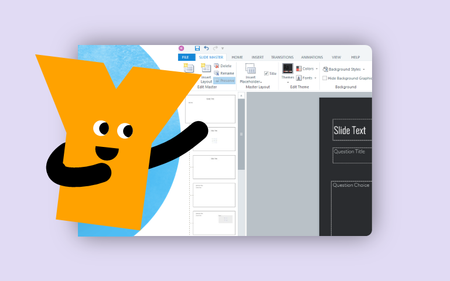
This week's tip comes from John_Moore_YL at our certified training partner, Yukon Learning. Sometimes you need to identify which Slide Master layouts are being used by specific slides. In this video, John will show you how to: Use the apply layout feature to identify a slide's layout template Access the slide master to view all slides using a specific layout Resources: Yukon Learning YouTube Channel Sign Up for Facilitated Certified Training235Views1like0CommentsHow to Create a Timer in Storyline
This week's tip comes from our certified training partner, Yukon Learning. Imagine you're creating a course for a group of new hires in a fast food restaurant whose jobs will require that they manage multiple things -- refilling French fry containers and keeping an eye on the fryer while also fulfilling orders and getting them out to the waiting customers. An e-learning course where workers can practice what they need to do in that situation is an effective way to help them learn how to do the job. They won't have the stress of the live work environment, and the restaurant hopefully won't have as much food waste because learners will know how to manage the time. The key element in this scenario is that in the real world, time can "run out" in a number of ways: the fries burn, the hamburgers get cold, the customers get angry. We can simulate the experience of time running out by creating a timer on a slide. In this video, you'll learn how to: Create a timer using number variables and layers Ensure the timer stops at 0 Determine what happens when time runs out Accessibility Disclaimer: Timers really aren't accessible. They can cause all kinds of problems for all kinds of learners. That said, timers are one of the elements of gamified learning, and can be part of a real learning experience. The Articulate CommunityTeam suggested these tips for working with timers in e-learning: Allow learners to opt out. Timed challenges can be an accessibility issue for some learners. So if the limit isn’t a legal requirement, consider including a way to turn it off. Only include timers when it improves learning. A little time stress goes a long way. It’s best to save this feature for instances where meeting a time limit connects strongly to learning goals. Don’t make it too hard. Ensure the limits you do use are realistic and achievable. If it’s too hard to meet the requirements, your time limit could cause learners to tune out instead of engage. Resources: Yukon Learning YouTube Channel Sign Up for Facilitated Certified Training340Views0likes0CommentsHandling the Heat
I reworked a customer service module I’d created a few years ago that used text, stock photo images and speech bubbles to depict a customer complaint scenario. The scenario worked fine, but without motion, tone, or emotion, it didn’t feel very authentic, and learners likely didn’t connect with it. To make it more engaging this time around, I used generative AI to turn the static characters into video-based speaking avatars. Now, learners can see, hear, and feel the tension of a customer interaction gone south, hopefully making the experience more realistic, relatable, and memorable. Launch Scenario540Views3likes4CommentsCreate a Novel Pop Out Character Interaction in Storyline
In this session, we'll look at how to build a pop out character and then look at a bunch of production tips to make it interactive. Like always, these skillbuilder sessions are a way to learn about the tools in different contexts.800Views0likes0CommentsHow to Number Questions in a Question Bank
This week's tip comes from RonPrice at our certified training partner, Yukon Learning. If you have a linear quiz where everyone will see the same questions, putting a text box on the screen indicating which question the learner is currently on is easy. But what about when you're drawing random questions out of a question bank? If learners aren't viewing your questions linearly, or will see a random subset of questions, you'll want to use Storyline's built-in variables. In this video, you will learn how to: Add the number of slides viewed to the Question layout in the slide master Exclude any slides from numbering other than quiz question slides Resources: Yukon Learning YouTube Channel Sign Up for Facilitated Certified Training222Views1like0Comments