animation
92 Topics5 Ways to Use Morph Transitions
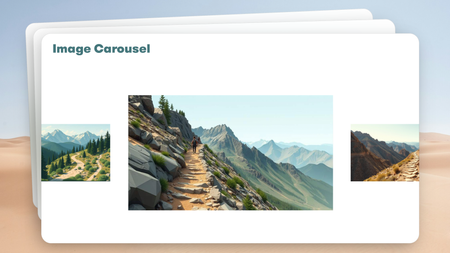
View the example For my example this week, I decided to practice a few simple techniques using the Morph transition. Progress bars Text and title transitions Showing character dialogue or conversations Image carousel effect An office exploration Production Tips For the image carousel, the process was pretty straightforward and much easier than using multiple motion paths with reverse paths like you’d normally need. The main challenge was just keeping the images aligned on each slide. I used Storyline's guides initially to align the objects but a few still felt off so I manually verified (and updated) each object's position using the the Size and Position window. I attached the source file so you can see what I did. About Me Connect on LinkedIn: David AndersonMeet the New Morph Transition in Articulate Storyline
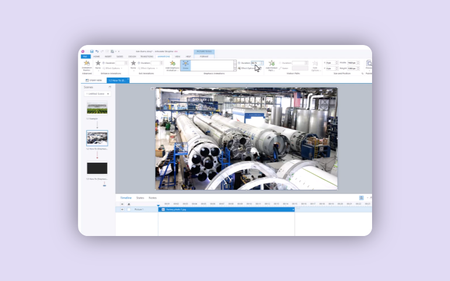
As an e-learning developer, you know how important smooth, engaging transitions can be. That’s why I’m excited about Articulate’s latest update: the brand-new Morph transition for Storyline! Morph brings a whole new level of polish to your slides by intelligently animating objects from one state to another. Instead of abrupt jumps or simple fades, you can now create fluid, professional-looking animations that feel almost cinematic. Whether you're moving shapes, text, or images, the Morph transition automatically calculates the movement, scaling, rotation, and even color changes — saving you tons of manual animation time. It’s perfect for storytelling, demos, onboarding courses, or anytime you want to wow your learners with seamless visual flow. To explore the new feature, I developed a short demo showcasing what Morph can do. The demo is inspired by three Morph transitions originally created in Microsoft PowerPoint that I discovered online and features an animated intro slide, a dynamic animation of a deck of cards, and a smooth circular text animation — all created using the new Morph transition. While it’s exciting to see how much creativity this new feature unlocks, I did notice that the Morph transitions aren't quite as smooth yet as the PowerPoint version. These kinds of hiccups are common for new features, and I’m sure the Articulate development team is working hard to smooth out these tiny issues. All in all, I can’t wait to start using Morph in my projects — and I’m even more excited to see what you create with it! Have you tried it yet? Let me know what you think! You can preview my demo via the link below, or download the source file to explore the build details. Preview my demo Download the source file Note: In the demo, I’ve used some circular text. This text was created in PowerPoint. If needed, you can download the PowerPoint file hereMindfulness
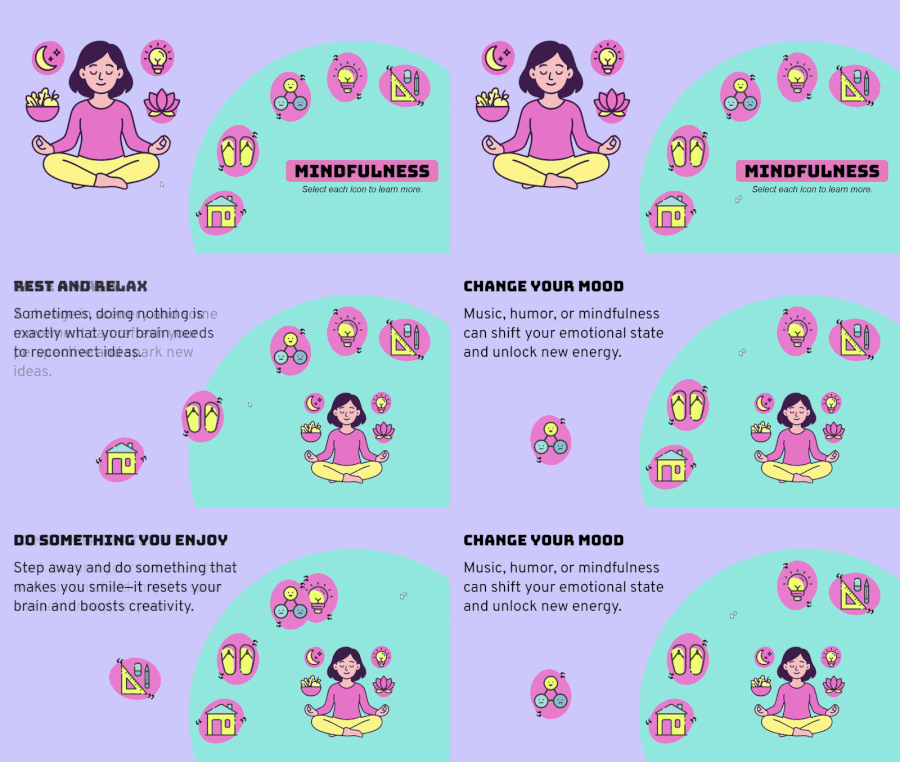
What do you do when your brain hits a wall? This project explores small, mindful actions to help you reset and reconnect. I used a soft pastel palette and flat icons to create a simple interaction where each tip gently morphs into view. The visual transitions are built around consistent layout and position changes to simulate a calm, flowing experience—no motion paths, just smooth shifts from one moment to the next. 🔗 View the Demo About Me Jayashree Ravi Curious about more e-learning innovations? Connect with me on LinkedIn to share ideas, discuss implementation techniques, or simply chat about instructional design challenges.Animated Menus Using Morph Transitions
When I first saw the morph transition, I didn’t think much of it. The fade has always worked just fine. But after seeing what Elizabeth and Thierry did with it, I got it. For this challenge, I reworked a menu example I originally built with motion paths and variables. Motion paths are easier in Storyline now, but they still take time to set up when you're duplicating and reversing the paths. Same with variables. They're easy to copy and tweak, but also easy to mess something up and lose your time troubleshooting. But with the morph transition, it’s two slides. Move the objects where you want them on each one, and you're done. View the exampleConnect to WiFi
Hello! For several weeks, TomKuhlmann has been sharing loads of great free characters 'that you can use as you wish' in elearning projects. I've been waiting for the right moment to use one in a Challenge. So here's Adam Kenner, guest-starring in my Comic Book-Inspired demo... This is built on one slide, with three zoom regions timed to highlight different sections of the comic book grid. The animation is largely achieved with state changes and some motion paths and emphasis animations here and there. Music from Suno, sound effects generated by Articulate's AI assistant. I adapted 'Adam' and created the barista and agent characters using NanaBanano in Pixlr. Connect to WiFi here: https://bit.ly/elhc541
Turn That Light Off
Hello! Non-human characters can be a strong choice for your e-learning courses. They're often more popular with users than AI avatars. My characters always come across as a bit grumpy, for some reason... Believe it or not, this is a regular 'pick one' freeform question slide. The character was created using Nano Banana, and I manipulated it in Pixlr to create the different mouth shapes. The animation is achieved through rapid state changes, synchronised to the waveform of each bit of narration. This is controlled by Javascript that I wrote with the help of Claude.ai. The voice is Dave, one of my favourite Storyline AI voices, with the style exaggerated to 75 😀 Switch my demo on here: https://bit.ly/elhc539
Spookily Accruate
Hello! For this challenge, I reused a character I created way back in 2020, for Challenge #292 (Using Variables). In case you wondered, Zardoz is a cross between Sean Connery and the Zoltan machine from Big. I've upgraded Zardoz with a few tricks I've learned in the meantime, including live polling, a speech animation cycle, and some sneaky Javascript. If Zardoz doesn't successfully read your mind, he can still surprise you with what he does know about you. Does Zardoz know what you're thinking? TRY IT OUT HERE